叉

叉 U+53C9, 叉
CJK UNIFIED IDEOGRAPH-53C9
← 又
[U+53C8]
CJK Unified Ideographs 及 →
[U+53CA]

Translingual

Han character

叉 (Kangxi radical 29, 又+1, 3 strokes, cangjie input 水戈 (EI) or X水戈 (XEI), four-corner 17400, composition ⿴又丶)

Derived characters

References

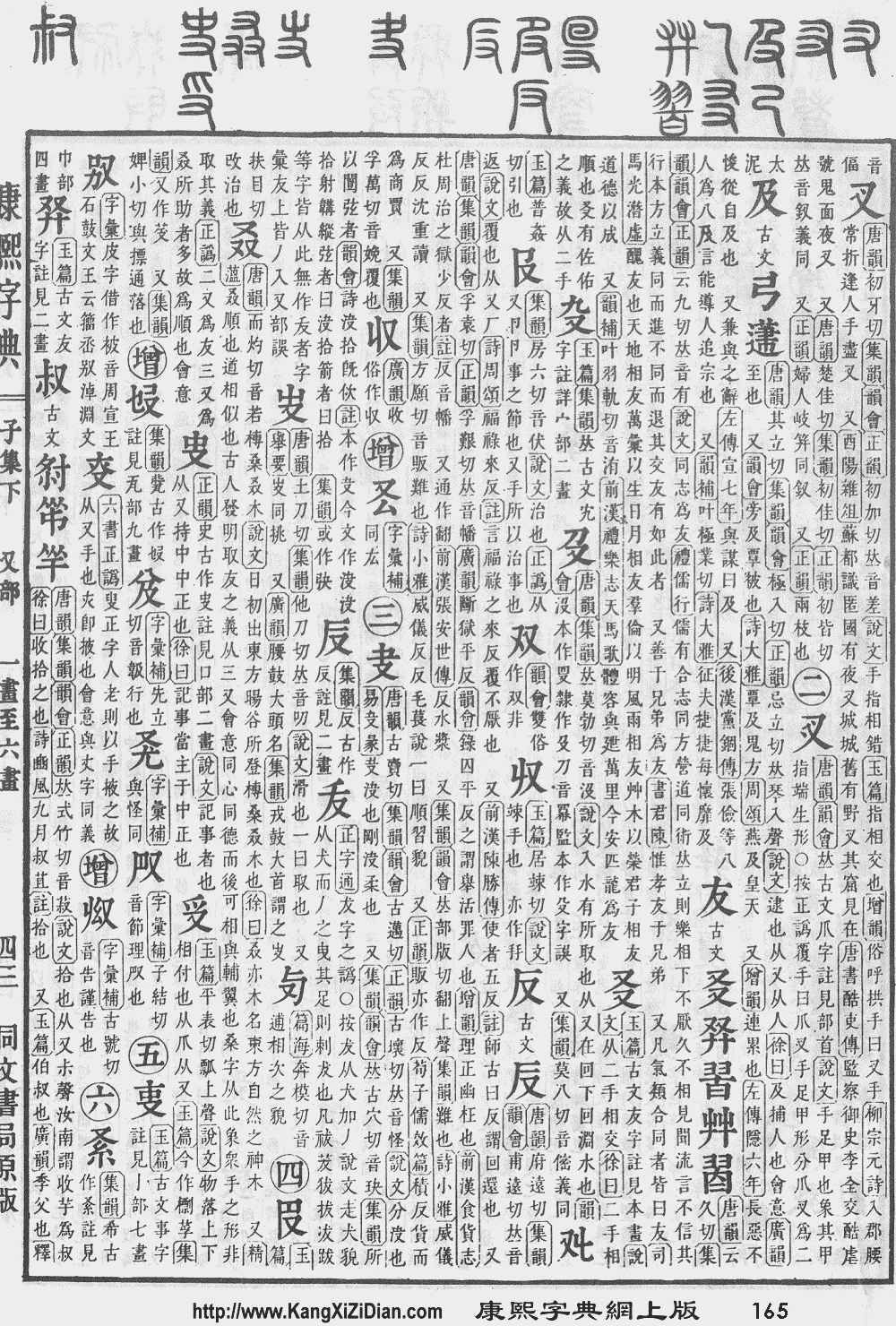
  • KangXi: page 165, character 1
  • Dai Kanwa Jiten: character 3116
  • Dae Jaweon: page 374, character 15
  • Hanyu Da Zidian (first edition): volume 1, page 390, character 2
  • Unihan data for U+53C9

Chinese

Glyph origin

Historical forms of the character 叉
Shuowen Jiezi (compiled in Han) Liushutong (compiled in Ming)
Small seal script Transcribed ancient scripts

Ideogrammic compound (會意) : 又 + 丶.

Etymology 1

simp. and trad.
叉
alternative forms 义

Pronunciation 1


Note: erhua - noun.
Note:
  • chhe/chhee - vernacular;
  • chha - literary (used in Quanzhou for “cross”, not usually used elsewhere).
Note:
  • 1tsho - colloquial;
  • 1tsha - literary.

  • Dialectal data
Variety Location 叉
Mandarin Beijing /ʈ͡ʂʰa⁵¹/
/ʈ͡ʂʰa²¹⁴/
Harbin /ʈ͡ʂʰa⁴⁴/ ~子
/ʈ͡ʂʰa²⁴/ ~住了
Tianjin /t͡sʰɑ²¹/
Jinan /ʈ͡ʂʰa²¹³/
Qingdao /ʈ͡ʂʰa²¹³/
Zhengzhou /ʈ͡ʂʰa²⁴/ 魚~
Xi'an /t͡sʰa²¹/ ~子
/t͡sʰa⁴⁴/ ~開
Xining /t͡sʰa⁴⁴/
Yinchuan /ʈ͡ʂʰa⁴⁴/
Lanzhou /ʈ͡ʂʰa³¹/
Ürümqi /t͡sʰa⁴⁴/
Wuhan /t͡sʰa⁵⁵/
Chengdu /t͡sʰa⁵⁵/
Guiyang /t͡sʰa⁵⁵/
Kunming /ʈ͡ʂʰa̠⁴⁴/
Nanjing /ʈ͡ʂʰɑ³¹/
Hefei /ʈ͡ʂʰa²¹/
Jin Taiyuan /t͡sʰa⁵³/ ~腿
/t͡sʰa¹¹/ ~車
Pingyao /t͡sʰɑ¹³/
Hohhot /t͡sʰa³¹/
Wu Shanghai /t͡sʰo⁵³/
/t͡sʰa⁵³/
Suzhou /t͡sʰo⁵⁵/
Hangzhou /t͡sʰɑ³³/
/t͡sʰɑ⁴⁴⁵/
Wenzhou /t͡sʰo³³/
Hui Shexian /t͡sʰa³¹/
Tunxi /t͡sʰɔ¹¹/
Xiang Changsha /t͡sʰa³³/
Xiangtan /t͡sʰɒ³³/
Gan Nanchang /t͡sʰɑ⁴²/
Hakka Meixian /t͡sʰa⁴⁴/
Taoyuan /t͡sʰɑ²⁴/
Cantonese Guangzhou /t͡sʰa⁵³/
Nanning /t͡sʰa⁵⁵/
Hong Kong /t͡sʰa⁵⁵/
Min Xiamen (Min Nan) /t͡sʰa⁵⁵/
/t͡sʰe⁵⁵/
Fuzhou (Min Dong) /t͡sʰa⁴⁴/
Jian'ou (Min Bei) /t͡sʰa⁵⁴/
Shantou (Min Nan) /t͡sʰe³³/
Haikou (Min Nan) /sa²³/

Rime
Character 叉 叉
Reading # 1/2 2/2
Initial (聲) 初 (19) 初 (19)
Final (韻) 佳 (31) 麻 (98)
Tone (調) Level (Ø) Level (Ø)
Openness (開合) Open Open
Division (等) II II
Fanqie 楚佳切 初加切
Reconstructions
Zhengzhang
Shangfang
/t͡ʃʰˠɛ/ /t͡ʃʰˠa/
Pan
Wuyun
/ʈ͡ʂʰᵚæ/ /ʈ͡ʂʰᵚa/
Shao
Rongfen
/t͡ʃʰæi/ /t͡ʃʰa/
Edwin
Pulleyblank
/ʈ͡ʂʰaɨj/ /ʈ͡ʂʰaɨ/
Li
Rong
/t͡ʃʰɛ/ /t͡ʃʰa/
Wang
Li
/t͡ʃʰai/ /t͡ʃʰa/
Bernard
Karlgren
/ʈ͡ʂʰai/ /ʈ͡ʂʰa/
Expected
Mandarin
Reflex
chāi chā
Expected
Cantonese
Reflex
caai1 caa1
Zhengzhang system (2003)
Character 叉 叉
Reading # 1/2 2/2
No. 1175 1184
Phonetic
component
叉 叉
Rime
group
歌 歌
Rime
subdivision
1 2
Corresponding
MC rime
叉 釵
Old
Chinese
/*sʰraːl/ /*sʰreːl/
Definitions

叉

  1. fork (pronged tool, including the eating utensil)
  2. to use a fork; to pick up with a fork
  3. (Wu) to pick up food with chopsticks
  4. to cross; to intersect; to interlace
  5. cross; X
    錯的答案打叉。/错的答案打叉。  ―  Cuò de dá'àn dǎ chā.  ―  Put a cross for the wrong answer.
  6. Phonetic reading of × when used to replace offensive characters.
    傻×  ―  shǎ chā  ―  stupid [censored]
  7. (chiefly Cantonese, euphemistic) A generic intensifier which can be substituted for any profane intensifier.
    冇叉用 [Cantonese]  ―  mou5 caa1 jung6 [Jyutping]  ―  bleeping useless
  8. (Cantonese) Short for 叉燒/叉烧 (“char siu”).
    叉雞飯/叉鸡饭 [Cantonese]  ―  caa1 gai1 faan6 [Jyutping]  ―  rice with char siu and steamed chicken
  9. (Xiamen, Zhangzhou, Taiwanese Hokkien) to pinch
  10. (Xiamen, Zhangzhou, Taiwanese Hokkien) to speak rudely
  11. (Wu) to play (mahjong)
  12. (Xiang, of ducks and geese) to eat
Synonyms

Pronunciation 2


  • Dialectal data
Variety Location 叉
Mandarin Beijing /ʈ͡ʂʰa⁵¹/
/ʈ͡ʂʰa²¹⁴/
Harbin /ʈ͡ʂʰa⁴⁴/ ~子
/ʈ͡ʂʰa²⁴/ ~住了
Tianjin /t͡sʰɑ²¹/
Jinan /ʈ͡ʂʰa²¹³/
Qingdao /ʈ͡ʂʰa²¹³/
Zhengzhou /ʈ͡ʂʰa²⁴/ 魚~
Xi'an /t͡sʰa²¹/ ~子
/t͡sʰa⁴⁴/ ~開
Xining /t͡sʰa⁴⁴/
Yinchuan /ʈ͡ʂʰa⁴⁴/
Lanzhou /ʈ͡ʂʰa³¹/
Ürümqi /t͡sʰa⁴⁴/
Wuhan /t͡sʰa⁵⁵/
Chengdu /t͡sʰa⁵⁵/
Guiyang /t͡sʰa⁵⁵/
Kunming /ʈ͡ʂʰa̠⁴⁴/
Nanjing /ʈ͡ʂʰɑ³¹/
Hefei /ʈ͡ʂʰa²¹/
Jin Taiyuan /t͡sʰa⁵³/ ~腿
/t͡sʰa¹¹/ ~車
Pingyao /t͡sʰɑ¹³/
Hohhot /t͡sʰa³¹/
Wu Shanghai /t͡sʰo⁵³/
/t͡sʰa⁵³/
Suzhou /t͡sʰo⁵⁵/
Hangzhou /t͡sʰɑ³³/
/t͡sʰɑ⁴⁴⁵/
Wenzhou /t͡sʰo³³/
Hui Shexian /t͡sʰa³¹/
Tunxi /t͡sʰɔ¹¹/
Xiang Changsha /t͡sʰa³³/
Xiangtan /t͡sʰɒ³³/
Gan Nanchang /t͡sʰɑ⁴²/
Hakka Meixian /t͡sʰa⁴⁴/
Taoyuan /t͡sʰɑ²⁴/
Cantonese Guangzhou /t͡sʰa⁵³/
Nanning /t͡sʰa⁵⁵/
Hong Kong /t͡sʰa⁵⁵/
Min Xiamen (Min Nan) /t͡sʰa⁵⁵/
/t͡sʰe⁵⁵/
Fuzhou (Min Dong) /t͡sʰa⁴⁴/
Jian'ou (Min Bei) /t͡sʰa⁵⁴/
Shantou (Min Nan) /t͡sʰe³³/
Haikou (Min Nan) /sa²³/
Definitions

叉

  1. (Northeastern Mandarin) to block up; to jam

Pronunciation 3


  • Dialectal data
Variety Location 叉
Mandarin Beijing /ʈ͡ʂʰa⁵¹/
/ʈ͡ʂʰa²¹⁴/
Harbin /ʈ͡ʂʰa⁴⁴/ ~子
/ʈ͡ʂʰa²⁴/ ~住了
Tianjin /t͡sʰɑ²¹/
Jinan /ʈ͡ʂʰa²¹³/
Qingdao /ʈ͡ʂʰa²¹³/
Zhengzhou /ʈ͡ʂʰa²⁴/ 魚~
Xi'an /t͡sʰa²¹/ ~子
/t͡sʰa⁴⁴/ ~開
Xining /t͡sʰa⁴⁴/
Yinchuan /ʈ͡ʂʰa⁴⁴/
Lanzhou /ʈ͡ʂʰa³¹/
Ürümqi /t͡sʰa⁴⁴/
Wuhan /t͡sʰa⁵⁵/
Chengdu /t͡sʰa⁵⁵/
Guiyang /t͡sʰa⁵⁵/
Kunming /ʈ͡ʂʰa̠⁴⁴/
Nanjing /ʈ͡ʂʰɑ³¹/
Hefei /ʈ͡ʂʰa²¹/
Jin Taiyuan /t͡sʰa⁵³/ ~腿
/t͡sʰa¹¹/ ~車
Pingyao /t͡sʰɑ¹³/
Hohhot /t͡sʰa³¹/
Wu Shanghai /t͡sʰo⁵³/
/t͡sʰa⁵³/
Suzhou /t͡sʰo⁵⁵/
Hangzhou /t͡sʰɑ³³/
/t͡sʰɑ⁴⁴⁵/
Wenzhou /t͡sʰo³³/
Hui Shexian /t͡sʰa³¹/
Tunxi /t͡sʰɔ¹¹/
Xiang Changsha /t͡sʰa³³/
Xiangtan /t͡sʰɒ³³/
Gan Nanchang /t͡sʰɑ⁴²/
Hakka Meixian /t͡sʰa⁴⁴/
Taoyuan /t͡sʰɑ²⁴/
Cantonese Guangzhou /t͡sʰa⁵³/
Nanning /t͡sʰa⁵⁵/
Hong Kong /t͡sʰa⁵⁵/
Min Xiamen (Min Nan) /t͡sʰa⁵⁵/
/t͡sʰe⁵⁵/
Fuzhou (Min Dong) /t͡sʰa⁴⁴/
Jian'ou (Min Bei) /t͡sʰa⁵⁴/
Shantou (Min Nan) /t͡sʰe³³/
Haikou (Min Nan) /sa²³/
Definitions

叉

  1. to spread; to open; to fork; to separate
  2. (Wu) to push something away; to move something away

Pronunciation 4


  • Dialectal data
Variety Location 叉
Mandarin Beijing /ʈ͡ʂʰa⁵¹/
/ʈ͡ʂʰa²¹⁴/
Harbin /ʈ͡ʂʰa⁴⁴/ ~子
/ʈ͡ʂʰa²⁴/ ~住了
Tianjin /t͡sʰɑ²¹/
Jinan /ʈ͡ʂʰa²¹³/
Qingdao /ʈ͡ʂʰa²¹³/
Zhengzhou /ʈ͡ʂʰa²⁴/ 魚~
Xi'an /t͡sʰa²¹/ ~子
/t͡sʰa⁴⁴/ ~開
Xining /t͡sʰa⁴⁴/
Yinchuan /ʈ͡ʂʰa⁴⁴/
Lanzhou /ʈ͡ʂʰa³¹/
Ürümqi /t͡sʰa⁴⁴/
Wuhan /t͡sʰa⁵⁵/
Chengdu /t͡sʰa⁵⁵/
Guiyang /t͡sʰa⁵⁵/
Kunming /ʈ͡ʂʰa̠⁴⁴/
Nanjing /ʈ͡ʂʰɑ³¹/
Hefei /ʈ͡ʂʰa²¹/
Jin Taiyuan /t͡sʰa⁵³/ ~腿
/t͡sʰa¹¹/ ~車
Pingyao /t͡sʰɑ¹³/
Hohhot /t͡sʰa³¹/
Wu Shanghai /t͡sʰo⁵³/
/t͡sʰa⁵³/
Suzhou /t͡sʰo⁵⁵/
Hangzhou /t͡sʰɑ³³/
/t͡sʰɑ⁴⁴⁵/
Wenzhou /t͡sʰo³³/
Hui Shexian /t͡sʰa³¹/
Tunxi /t͡sʰɔ¹¹/
Xiang Changsha /t͡sʰa³³/
Xiangtan /t͡sʰɒ³³/
Gan Nanchang /t͡sʰɑ⁴²/
Hakka Meixian /t͡sʰa⁴⁴/
Taoyuan /t͡sʰɑ²⁴/
Cantonese Guangzhou /t͡sʰa⁵³/
Nanning /t͡sʰa⁵⁵/
Hong Kong /t͡sʰa⁵⁵/
Min Xiamen (Min Nan) /t͡sʰa⁵⁵/
/t͡sʰe⁵⁵/
Fuzhou (Min Dong) /t͡sʰa⁴⁴/
Jian'ou (Min Bei) /t͡sʰa⁵⁴/
Shantou (Min Nan) /t͡sʰe³³/
Haikou (Min Nan) /sa²³/
Definitions

叉

  1. Alternative form of 杈 (chà, “fork of a branch”).
  2. Alternative form of 岔 (chà, “diverge, branch off; fork in the road”).

Compounds

  • 叉燒/叉烧 (chāshāo)
  • 叉燒包/叉烧包 (chāshāobāo)
  • 叉燒酥/叉烧酥 (chāshāosū)
  • 叉股子話/叉股子话
  • 叉路貨/叉路货
  • 叉車/叉车 (chāchē)
  • 叉門/叉门
  • 叉魚/叉鱼
  • 惡叉白賴/恶叉白赖
  • 搗叉子/捣叉子
  • 攩叉/挡叉
  • 沒叉路/没叉路
  • 立體交叉/立体交叉
  • 羅叉/罗叉
  • 腳叉/脚叉
  • 藥叉/药叉
  • 褲叉兒/裤叉儿
  • 鋼叉/钢叉
  • 钂叉/镋叉
  • 飛叉/飞叉
  • 魚叉/鱼叉

Etymology 2

simp. and trad.
叉

From English charge.

Pronunciation


Definitions

叉

  1. (Cantonese) to charge; to recharge
    幫我拎個手機去叉吖。 [Cantonese, trad.]
    帮我拎个手机去叉吖。 [Cantonese, simp.]
    bong1 ngo5 ling1 go3 sau2 gei1 heoi3 caa1 aa1. [Jyutping]
    Take my cellphone to recharge it for me.

Compounds

Etymology 3

For pronunciation and definitions of 叉 – see 衩 (“the open seam of a garment which allows freedom of movement”).
(This character, 叉, is the second-round simplified form of 衩.)
Notes:

Etymology 4

For pronunciation and definitions of 叉 – see 扠.
(This character, 叉, is the second-round simplified form of 扠.)
Notes:

Etymology 5

For pronunciation and definitions of 叉 – see 杈 (“pitchfork; fork of a tree; etc.”).
(This character, 叉, is the second-round simplified form of 杈.)
Notes:

Etymology 6

For pronunciation and definitions of 叉 – see 汊 (“a branching stream”).
(This character, 叉, is the second-round simplified form of 汊.)
Notes:

References

Japanese

Kanji

叉

(“Jinmeiyō” kanji used for names)

  1. fork

Readings

  • Go-on: しゃ (sha)
  • Kan-on: さ (sa)
  • Kun: また (mata, 叉)

Compounds

Definitions

For pronunciation and definitions of 叉 – see the following entry.
【股また】S
[noun] (anatomy) crotch, the space between the thighs
[noun] fork in a tree, river, and so on
Alternative spellings
胯, 叉, 俣
(This term, 叉, is an alternative spelling of the above term.)

Korean

Hanja

叉 (eumhun 갈래 차 (gallae cha))

  1. Hanja form? of 차 (“to cross; to intersect”).

Compounds

Vietnamese

Han character

叉: Hán Nôm readings: xoa

  1. This term needs a translation to English. Please help out and add a translation, then remove the text {{rfdef}}.
This article is issued from Wiktionary. The text is licensed under Creative Commons - Attribution - Sharealike. Additional terms may apply for the media files.