蠻
See also: 蛮
| ||||||||
Translingual
Han character
蠻 (Kangxi radical 142, 虫+19, 25 strokes, cangjie input 女火中一戈 (VFLMI), four-corner 22136, composition ⿱龻虫)
References
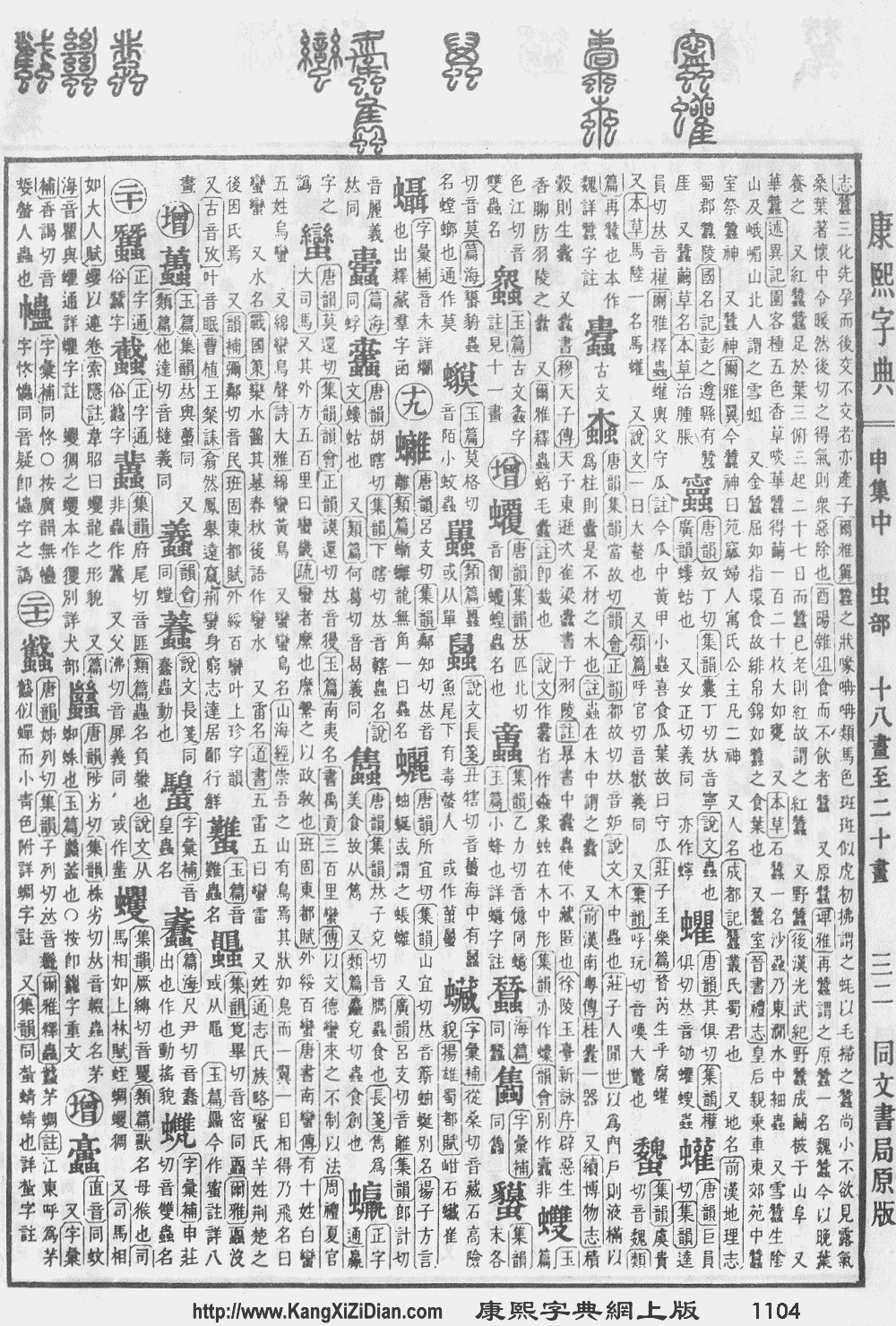
- KangXi: page 1104, character 25
- Dai Kanwa Jiten: character 33914
- Dae Jaweon: page 1567, character 18
- Hanyu Da Zidian (first edition): volume 4, page 2909, character 21
- Unihan data for U+883B
Chinese
| trad. | 蠻 | |
|---|---|---|
| simp. | 蛮 | |
| alternative forms | 滿/满 “quite” | |
Glyph origin
Characters in the same phonetic series (䜌) (Zhengzhang, 2003)
Phono-semantic compound (形聲, OC *mroːn) : phonetic 䜌 (OC *b·roːn, *b·ron, *b·rons) + semantic 虫 (“snake”).
Etymology
Possibly related to Burmese မြန်မာ (mranma, “Myanmar; Burma; Burmese”), Tibetan བྲན (bran, “servant, slave”). Also compare with မင်း from Burmese အလွန်အမင်း (a.lwan-a.mang:, “very, extremely”).
Pronunciation
Definitions
蠻
- (historical, derogatory) A collective name for all the non-Han ethnic groups in modern-day southern China.
- barbarous; savage; uncivilised
- rough; rude; unreasonable
- rash; hot-headed
- valiantly; uncouthly; vulgarly
- (dialectal, colloquial) very; quite
Quotations
- For quotations using this term, see Citations:蠻.
Synonyms
- (rash):
- (very):
Dialectal synonyms of 很 (“very”) [map]
Compounds
References
- “蠻”, in 漢語多功能字庫 (Multi-function Chinese Character Database), 香港中文大學 (the Chinese University of Hong Kong), 2014–
Japanese
| 蛮 | |
| 蠻 |
Korean
Etymology
From Middle Chinese 蠻 (MC mˠan).
| Historical Readings | ||
|---|---|---|
| Dongguk Jeongun Reading | ||
| Dongguk Jeongun, 1448 | 만 (Yale: màn) | |
| Middle Korean | ||
| Text | Eumhun | |
| Gloss (hun) | Reading | |
| Hunmong Jahoe, 1527 | 되〯 (Yale: twǒy) | 만 (Yale: màn) |
Pronunciation
- (SK Standard/Seoul) IPA(key): [ma̠n]
- Phonetic hangul: [만]
Compounds
Vietnamese
This article is issued from Wiktionary. The text is licensed under Creative Commons - Attribution - Sharealike. Additional terms may apply for the media files.