黃
| ||||||||
| ||||||||
Translingual
| Stroke order | |||
|---|---|---|---|
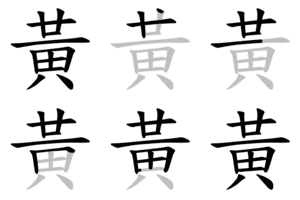 | |||
Han character
黃 (Kangxi radical 201, 黃+0, 12 strokes, cangjie input 廿一田金 (TMWC), four-corner 44806, composition ⿱⿱廿一⿱由八(GHJK) or ⿱⿱廿一⿱田八(T))
- Kangxi radical #201, ⿈.
- Shuowen Jiezi radical №486
Derived characters
- Appendix:Chinese radical/黃
- 僙, 墴, 嫹, 彉, 撗, 潢, 獚, 曂, 䐵, 熿, 𤖖, 𤗶, 𤛥, 璜, 穔, 𧝒, 䊣, 䌙, 蟥, 觵, 趪, 䤑, 䪄, 䬝, 䮲, 鱑, 䵃, 𨝴, 斢, 𤮏, 𩙁, 鷬, 𡐳, 廣, 癀, 簧, 𨶰 (Exception: Contains 黃 in all regions except mainland China which contains simplified 黄)
- (Contains 黃 in all regions)
- (Exception: All regions except mainland China and Vietnam which contains 黄)
- (Exception: Contains 黃 for Taiwan glyph and 黄 for Vietnam glyph)
Related characters
- 黄 (Japanese shinjitai and Simplified Chinese)
Further reading
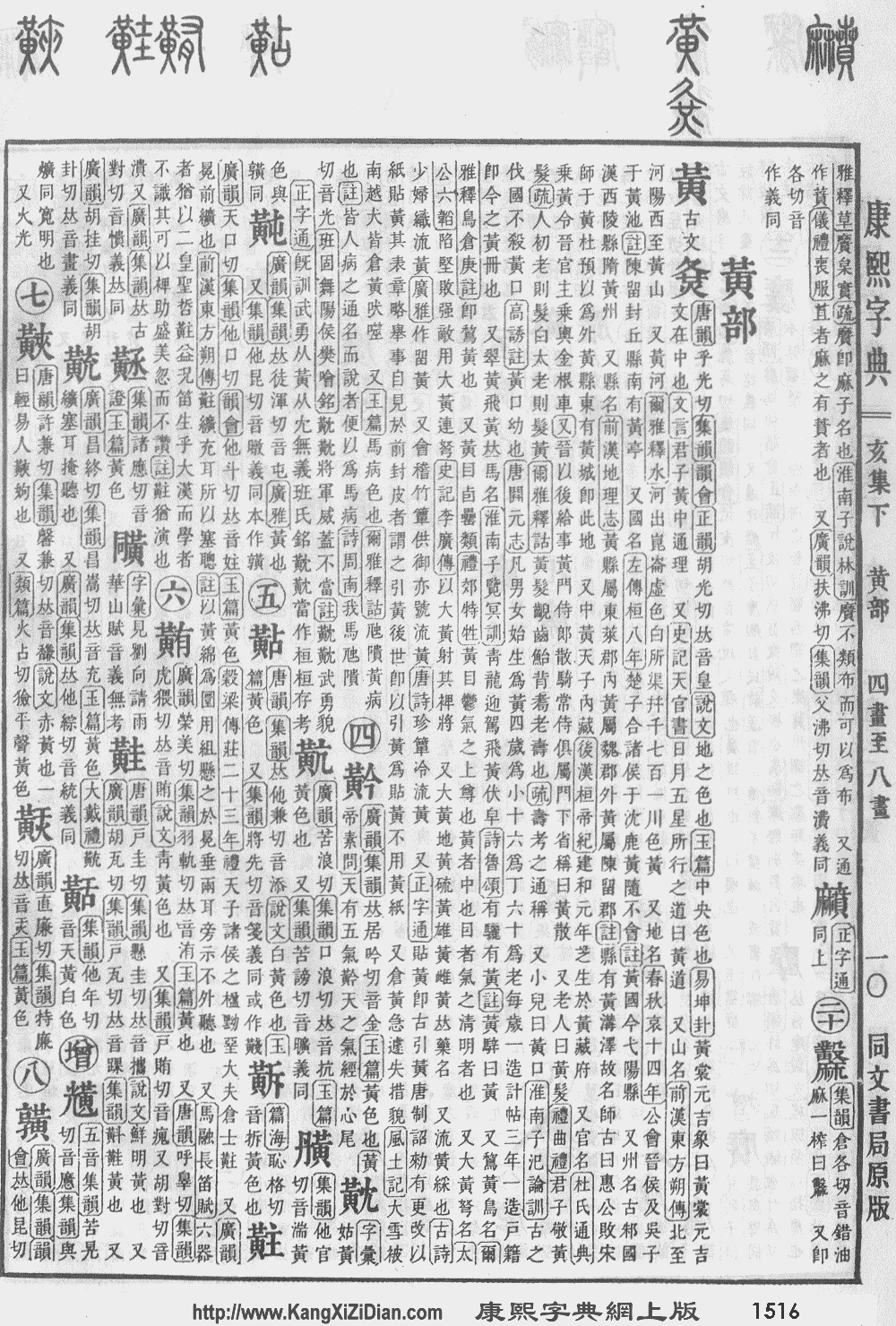
- KangXi: page 1516, character 3
- Dai Kanwa Jiten: character 47926
- Dae Jaweon: page 2046, character 11
- Hanyu Da Zidian (first edition): volume 7, page 4596, character 2
- Unihan data for U+9EC3
Chinese
| trad. | 黃/黄 | |
|---|---|---|
| simp. | 黄 | |
Glyph origin
| Historical forms of the character 黃 | |||
|---|---|---|---|
| Shang | Western Zhou | Shuowen Jiezi (compiled in Han) | Liushutong (compiled in Ming) |
| Oracle bone script | Bronze inscriptions | Small seal script | Transcribed ancient scripts |
 |
 |
 |
 |
| Old Chinese | |
|---|---|
| 僙 | *kʷaːŋ |
| 廣 | *kʷaːŋʔ |
| 鄺 | *kʷaːŋʔ, *qʰʷaːŋ |
| 懬 | *kʰʷaːŋʔ, *kʰaːŋʔ |
| 爌 | *kʰʷaːŋʔ, *kʰʷaːŋs, *qʰʷaːŋʔ |
| 曠 | *kʰʷaːŋs |
| 矌 | *kʰʷaːŋs |
| 壙 | *kʰʷaːŋs |
| 纊 | *kʰʷaːŋs |
| 黃 | *ɡʷaːŋ |
| 璜 | *ɡʷaːŋ |
| 潢 | *ɡʷaːŋ, *ɡʷaːŋs |
| 簧 | *ɡʷaːŋ |
| 癀 | *ɡʷaːŋ |
| 鱑 | *ɡʷaːŋ |
| 獚 | *ɡʷaːŋ |
| 蟥 | *ɡʷaːŋ |
| 趪 | *ɡʷaːŋ |
| 櫎 | *ɡʷaːŋʔ |
| 擴 | *ɡʷlaːŋs, *kʰʷaːɡ |
| 瀇 | *qʷaːŋʔ |
| 獷 | *kʷaŋʔ, *kʷraːŋʔ |
| 觵 | *kʷraːŋ |
| 礦 | *kʷraːŋʔ |
| 鑛 | *kʷraːŋʔ |
| 穬 | *kʷraːŋʔ |
| 橫 | *ɡʷraːŋ, *ɡʷraːŋs, *kʷaːŋ |
| 黌 | *ɡʷraːŋ |
| 鐄 | *ɡʷraːŋ |
| 嚝 | *qʰʷraːŋ |
| 彉 | *kʷaːɡ, *qʰʷaːɡ |
| 彍 | *kʷaːɡ, *qʰʷaːɡ |
Chi (2010) proposes that 黃 was originally a pictogram (象形) and the original character of 尪 (OC *qʷaːŋ, “a disabled person with a protruding chest or abdomen”). It has been phonetically borrowed for "yellow" since the era of the oracle bone script. He (1998) noted the possible ritual of burning disabled people with a protruding chest or abdomen to pray for rain as mentioned in Zuozhuan. The 口 in the upper part of the bronze inscription of 黃 might be depicting the disabled person's face facing upwards.
Li (2012), on the other hand, proposes that 黃 was originally a pictogram (象形) and the original character of 璜 (OC *ɡʷaːŋ, “semicircular jade”) as the 口 in the oracle bone script resembles a ring of jade, so the character would carry the meaning of "a man wearing a ring of jade on his chest". The meaning "yellow" is the result of rebus.
According to Shuowen, it is both a phono-semantic compound (形聲, OC *ɡʷaːŋ) and ideogrammic compound (會意) : phonetic 炗 (“light”) + semantic 田 (“field”) – the color of earth, with 炗 being the ancient form of 光 (OC *kʷaːŋ, *kʷaːŋs, “light”). However, this interpretation is likely erroneous as 廿 at the top was formed as a result of corruption of 口 in the bronze inscription.
Etymology
From Proto-Sino-Tibetan *hwaŋ (“shine; bright; yellow”). Cognate with 光 (OC *kʷaːŋ, *kʷaːŋs, “light; bright”), 曠 (OC *kʰʷaːŋs, “bright; well-lit”), Burmese ဝင်း (wang:, “bright”), Burmese ဝါ (wa, “yellow”).
Pronunciation
Definitions
黃
- yellow (colour)
- yolk
- Short for 蟹黃/蟹黄 (xièhuáng).
- yellow; Far East Asian
- 無論紅黃黑白種,都是耶穌心寶貝,耶穌喜愛世上所有的小孩。 [MSC, trad.]
- From: 1985, 耶穌喜愛小孩 (Jesus Loves the Little Children), in 《教會聖詩》 (Hymns for God's People)
- Wúlùn hóng huáng hēi bái zhǒng, dōu shì Yēsū xīn bǎobèi, Yēsū xǐ'ài shìshàng suǒyǒu de xiǎohái. [Pinyin]
- Red and yellow, black and white, they are precious in His sight—Jesus loves the little children of the world. [original English lyrics]
No matter red, yellow, black, white, they are all treasured in Jesus' heart—Jesus loves all the children of the world. [literal English translation]
无论红黄黑白种,都是耶稣心宝贝,耶稣喜爱世上所有的小孩。 [MSC, simp.]
- (colloquial) pornographic; lewd
- (colloquial) to fizzle out; to fall through
- (Cantonese) to let the cat out of the bag (to let a secret be known)
- (Hong Kong, politics) supportive of Hong Kong's pro-democracy movement
- See also: 黃絲
- (Min Nan) to ripen
- Short for 黃帝/黄帝 (Huángdì).
- Short for 黃河/黄河 (Huáng Hé, “Yellow River”).
- a surname
- 黃宗羲/黄宗羲 ― Huáng Zōngxī ― Huang Zongxi (Chinese intellectual and political theorist that lived during the latter part of the Ming dynasty into the early part of the Qing)
- 黃蕙蘭/黄蕙兰 [Hokkien] ― Ûiⁿ Hūi-lân [Pe̍h-ōe-jī] ― Oei Hui-lan (a Chinese-Indonesian socialite and First Lady of the Republic of China)
Synonyms
Descendants
Others:
Compounds
- 一枕黃粱/一枕黄粱 (yīzhěnhuángliáng)
- 七青八黃/七青八黄
- 下作黃子/下作黄子
- 三月黃/三月黄
- 不問青黃/不问青黄
- 丹黃/丹黄
- 乘黃/乘黄
- 二黃/二黄 (èrhuáng)
- 五黃六月/五黄六月
- 人約黃昏/人约黄昏
- 人老珠黃/人老珠黄
- 何草不黃/何草不黄
- 佩紫懷黃/佩紫怀黄
- 信口雌黃/信口雌黄 (xìnkǒucíhuáng)
- 偷渡黃牛/偷渡黄牛
- 初寫黃庭/初写黄庭
- 半青半黃/半青半黄
- 印度黃檀/印度黄檀 (Yìndù huángtán)
- 卵黃/卵黄 (luǎnhuáng)
- 口中雌黃/口中雌黄
- 命染黃沙/命染黄沙
- 回黃倒皂/回黄倒皂
- 回黃轉綠/回黄转绿
- 土黃/土黄 (tǔhuáng)
- 土黃色/土黄色
- 地黃/地黄 (dìhuáng)
- 地黃牛/地黄牛
- 夢斷黃粱/梦断黄粱
- 夢覺黃粱/梦觉黄粱
- 大黃魚/大黄鱼 (dàhuángyú)
- 天地玄黃/天地玄黄
- 妄下雌黃/妄下雌黄
- 姜黃/姜黄 (jiānghuáng)
- 姚黃紙/姚黄纸
- 姚黃魏紫/姚黄魏紫 (Yáohuáng Wèizǐ)
- 嫩黃/嫩黄
- 嬌黃/娇黄 (jiāohuáng)
- 宜黃腔/宜黄腔
- 小黃門/小黄门
- 岐黃/岐黄 (Qíhuáng)
- 工商黃頁/工商黄页
- 帖花黃/帖花黄
- 彈黃調/弹黄调
- 徐黃/徐黄 (Xúhuáng)
- 懷黃佩紫/怀黄佩紫
- 懶黃病/懒黄病
- 抽黃對白/抽黄对白
- 掃黃/扫黄 (sǎohuáng)
- 擎蒼牽黃/擎苍牵黄
- 攤黃菜/摊黄菜
- 數白論黃/数白论黄
- 數黃道白/数黄道白
- 數黃道黑/数黄道黑
- 數黑論黃/数黑论黄
- 明日黃花/明日黄花 (míngrìhuánghuā)
- 昏黃/昏黄 (hūnhuáng)
- 晚節黃花/晚节黄花
- 曛黃/曛黄
- 木麻黃/木麻黄
- 朱黃/朱黄
- 杏黃/杏黄
- 杳如黃鶴/杳如黄鹤
- 東門黃犬/东门黄犬
- 枯黃/枯黄 (kūhuáng)
- 柘黃/柘黄
- 核黃疸/核黄疸
- 核黃素/核黄素 (héhuángsù)
- 槁項黃馘/槁项黄馘
- 槐黃/槐黄
- 橘黃/橘黄 (júhuáng)
- 橙黃/橙黄 (chénghuáng)
- 毛地黃/毛地黄 (máodìhuáng)
- 水黃皮/水黄皮
- 洋地黃/洋地黄 (yángdìhuáng)
- 流黃/流黄 (liúhuáng)
- 灌黃湯/灌黄汤
- 灘黃/滩黄
- 炎黃/炎黄 (Yán-Huáng)
- 炎黃子孫/炎黄子孙 (Yán-Huáng zǐsūn)
- 焚黃/焚黄
- 焜黃/焜黄
- 焦黃/焦黄
- 牛黃/牛黄 (niúhuáng)
- 牛黃狗寶/牛黄狗宝
- 牝牡驪黃/牝牡骊黄
- 玄黃/玄黄
- 玄黃翻覆/玄黄翻覆
- 田黃/田黄 (Tiánhuáng)
- 痛飲黃龍/痛饮黄龙
- 白叟黃童/白叟黄童
- 白旄黃鉞/白旄黄钺 (báimáo huángyuè)
- 白雪黃芽/白雪黄芽
- 皮黃/皮黄
- 皮黃劇/皮黄剧
- 皮黃腔/皮黄腔
- 直搗黃龍/直捣黄龙 (zhídǎohuánglóng)
- 砷黃鐵礦/砷黄铁矿
- 硬黃/硬黄
- 硫黃/硫黄 (liúhuáng)
- 碧落黃泉/碧落黄泉
- 碧血黃花/碧血黄花
- 磁黃鐵礦/磁黄铁矿
- 竹黃/竹黄
- 篾黃/篾黄 (mièhuáng)
- 米黃色/米黄色
- 綠衣黃裡/绿衣黄里
- 緇黃/缁黄
- 縑緗黃卷/缣缃黄卷
- 纁黃/𫄸黄
- 老黃請醫/老黄请医
- 臉黃皮寡/脸黄皮寡
- 花黃/花黄
- 萎黃病/萎黄病
- 葉黃素/叶黄素 (yèhuángsù)
- 蒼黃/苍黄 (cānghuáng)
- 蒜黃/蒜黄 (suànhuáng)
- 蒼黃翻覆/苍黄翻覆
- 蔥黃/葱黄
- 薄翅黃蝶/薄翅黄蝶
- 薑黃/姜黄 (jiānghuáng)
- 藤黃/藤黄
- 蛋黃/蛋黄 (dànhuáng)
- 蛋黃精/蛋黄精
- 蜂黃/蜂黄
- 蝶粉蜂黃/蝶粉蜂黄
- 蟹黃/蟹黄 (xièhuáng)
- 蠟黃/蜡黄 (làhuáng)
- 蠣黃/蛎黄
- 衣紫腰黃/衣紫腰黄
- 裹黃袍/裹黄袍
- 訾黃/訾黄
- 說黃道黑/说黄道黑
- 論黃數白/论黄数白
- 論黃數黑/论黄数黑
- 謄黃/誊黄
- 赭黃/赭黄
- 軟枝黃蟬/软枝黄蝉
- 金黃/金黄 (jīnhuáng)
- 金黃色/金黄色 (jīnhuángsè)
- 金黃藻/金黄藻
- 鉛黃/铅黄
- 銀黃/银黄
- 間胺黃/间胺黄
- 闖黃燈/闯黄灯
- 陳黃/陈黄 (Chénhuáng)
- 雄黃/雄黄 (xiónghuáng)
- 雄黃油/雄黄油
- 雄黃酒/雄黄酒 (xiónghuángjiǔ)
- 雌黃/雌黄 (cíhuáng)
- 雙黃線/双黄线
- 雲南黃馨/云南黄馨
- 青燈黃卷/青灯黄卷 (qīngdēnghuángjuàn)
- 青黃/青黄
- 青黃不接/青黄不接 (qīnghuángbùjiē)
- 青黃皂白/青黄皂白
- 面皮焦黃/面皮焦黄
- 面目黃瘦/面目黄瘦
- 面黃肌瘦/面黄肌瘦 (miànhuángjīshòu)
- 面黃脣白/面黄唇白
- 韭黃/韭黄 (jiǔhuáng)
- 額黃/额黄
- 飛蒼走黃/飞苍走黄
- 飛黃/飞黄
- 飛黃騰踏/飞黄腾踏
- 飛黃騰達/飞黄腾达 (fēihuángténgdá)
- 騰黃/腾黄
- 高黃/高黄 (Gāohuáng)
- 魏紫姚黃/魏紫姚黄
- 鴉黃/鸦黄
- 鴨黃/鸭黄 (yāhuáng)
- 鴨黃兒/鸭黄儿
- 鵝黃/鹅黄 (éhuáng)
- 鵝黃色/鹅黄色
- 鵝黃酒/鹅黄酒
- 鸝黃/鹂黄 (líhuáng)
- 麻黃/麻黄 (máhuáng)
- 麻黃素/麻黄素 (máhuángsù)
- 黃串餅/黄串饼
- 黃乾黑瘦/黄干黑瘦
- 黃侃/黄侃
- 黃六/黄六 (huángliù)
- 黃冊/黄册
- 黃冠/黄冠
- 黃包車/黄包车 (huángbāochē)
- 黃化/黄化
- 黃卷/黄卷
- 黃卷青燈/黄卷青灯
- 黃口/黄口
- 黃口孺子/黄口孺子
- 黃口小兒/黄口小儿
- 黃同紙/黄同纸
- 黃吻/黄吻
- 黃土/黄土 (huángtǔ)
- 黃土崗/黄土岗 (Huángtǔgǎng)
- 黃土高原/黄土高原 (Huángtǔ Gāoyuán)
- 黃圩/黄圩 (Huángwéi)
- 黃埔/黄埔 (Huángpǔ)
- 黃埔條約/黄埔条约
- 黃堊/黄垩
- 黃堂/黄堂
- 黃堂太守/黄堂太守
- 黃堡/黄堡
- 黃塵/黄尘
- 黃塵滾滾/黄尘滚滚
- 黃壚/黄垆
- 黃壤/黄壤
- 黃天/黄天 (huángtiān)
- 黃天蕩/黄天荡
- 黃姑/黄姑
- 黃婆/黄婆
- 黃子/黄子
- 黃宮/黄宫
- 黃家口/黄家口 (Huángjiākǒu)
- 黃家沖/黄家冲 (Huángjiāchōng)
- 黃家潭/黄家潭 (Huángjiātán)
- 黃家營/黄家营 (Huángjiāyíng)
- 黃封/黄封
- 黃屋車/黄屋车
- 黃山/黄山 (Huángshān)
- 黃山派/黄山派
- 黃山頭/黄山头 (Huángshāntóu)
- 黃岐/黄岐 (Huángqí)
- 黃岡/黄冈 (Huánggāng)
- 黃岩島/黄岩岛 (Huángyándǎo)
- 黃州/黄州 (Huángzhōu)
- 黃巢/黄巢
- 黃巢之亂/黄巢之乱
- 黃巾/黄巾 (huángjīn)
- 黃巾之亂/黄巾之乱
- 黃帝/黄帝 (Huángdì)
- 黃帝乘龍/黄帝乘龙
- 黃帝內經/黄帝内经
- 黃帝素問/黄帝素问
- 黃帽/黄帽
- 黃庭/黄庭
- 黃庭換鵝/黄庭换鹅
- 黃庭經/黄庭经
- 黃扉/黄扉
- 黃教/黄教 (Huángjiào)
- 黃斑/黄斑 (huángbān)
- 黃旗紫蓋/黄旗紫盖
- 黃昏/黄昏 (huánghūn)
- 黃明/黄明
- 黃昏時分/黄昏时分
- 黃明膠/黄明胶
- 黃曆/黄历 (huánglì)
- 黃柏/黄柏
- 黃桑棒/黄桑棒
- 黃梅/黄梅 (huángméi)
- 黃梅天/黄梅天 (huángméitiān)
- 黃梅季/黄梅季 (huángméijì)
- 黃梅戲/黄梅戏 (huángméixì)
- 黃梅時候/黄梅时候
- 黃梅調/黄梅调
- 黃梅雨/黄梅雨
- 黃森森/黄森森
- 黃楊厄閏/黄杨厄闰
- 黃榜/黄榜
- 黃樓/黄楼
- 黃樟素/黄樟素
- 黃歇/黄歇
- 黃歇口/黄歇口 (Huángxiēkǒu)
- 黃毛丫頭/黄毛丫头
- 黃毛團兒/黄毛团儿
- 黃水茄/黄水茄
- 黃池/黄池
- 黃沙蓋面/黄沙盖面
- 黃油/黄油 (huángyóu)
- 黃泉/黄泉 (huángquán)
- 黃河/黄河 (Huáng Hé)
- 黃泥塘/黄泥塘 (Huángnítáng)
- 黃河清/黄河清
- 黃河路/黄河路 (Huánghélù)
- 黃流/黄流
- 黃海/黄海 (Huáng Hǎi)
- 黃浦江/黄浦江 (Huángpǔjiāng)
- 黃淮平原/黄淮平原
- 黃渠/黄渠 (Huángqú)
- 黃湯/黄汤
- 黃湯辣水/黄汤辣水 (huángtānglàshuǐ)
- 黃澄澄/黄澄澄
- 黃灘/黄滩 (Huángtān)
- 黃灣/黄湾 (Huángwān)
- 黃熊/黄熊
- 黃熟/黄熟
- 黃熱病/黄热病 (huángrèbìng)
- 黃燈/黄灯 (huángdēng)
- 黃燦燦/黄灿灿
- 黃牌/黄牌 (huángpái)
- 黃牛/黄牛 (huángniú)
- 黃牛岩/黄牛岩 (Huángniúyán)
- 黃犬音/黄犬音
- 黃玉/黄玉 (huángyù)
- 黃琮/黄琮
- 黃瓜/黄瓜 (huángguā)
- 黃甘甘/黄甘甘
- 黃甲/黄甲
- 黃疸/黄疸 (huángdǎn)
- 黃瘦/黄瘦
- 黃癬/黄癣 (huángxuǎn)
- 黃白/黄白
- 黃白之物/黄白之物
- 黃白之術/黄白之术
- 黃皮書/黄皮书
- 黃石/黄石 (Huángshí)
- 黃石公/黄石公 (Huángshígōng)
- 黃石授書/黄石授书
- 黃石港/黄石港 (Huángshígǎng)
- 黃磷/黄磷 (huánglín)
- 黃祚/黄祚
- 黃禍/黄祸 (huánghuò)
- 黃禾/黄禾
- 黃種人/黄种人 (huángzhǒngrén)
- 黃童/黄童
- 黃童白叟/黄童白叟
- 黃竹/黄竹 (huángzhú)
- 黃竹山/黄竹山 (Huángzhúshān)
- 黃米/黄米 (huángmǐ)
- 黃粱/黄粱 (huángliáng)
- 黃粱一夢/黄粱一梦 (huángliángyīmèng)
- 黃粱夢/黄粱梦 (huángliángmèng)
- 黃精/黄精 (huángjīng)
- 黃糧/黄粮 (Huángliáng)
- 黃紙/黄纸
- 黃絁/黄𫄟
- 黃絲/黄丝 (huángsī)
- 黃老/黄老 (Huáng-Lǎo)
- 黃老治術/黄老治术
- 黃耉/黄耉
- 黃耳傳書/黄耳传书
- 黃胖/黄胖
- 黃能/黄能
- 黃腔/黄腔 (huángqiāng)
- 黃腔兒/黄腔儿
- 黃腸/黄肠
- 黃臉婆/黄脸婆 (huángliǎnpó)
- 黃自/黄自
- 黃興/黄兴
- 黃色/黄色 (huángsè)
- 黃色刊物/黄色刊物
- 黃色文學/黄色文学
- 黃色新聞/黄色新闻
- 黃色炸藥/黄色炸药 (huángsè zhàyào)
- 黃色電影/黄色电影 (huángsè diànyǐng)
- 黃花/黄花 (huánghuā)
- 黃芩/黄芩 (huángqín)
- 黃芪/黄芪 (huángqí)
- 黃芽/黄芽
- 黃花城/黄花城 (Huánghuāchéng)
- 黃花女兒/黄花女儿
- 黃花岡/黄花冈
- 黃花後生/黄花后生
- 黃花晚節/黄花晚节
- 黃花菜/黄花菜 (huánghuācài)
- 黃花蜜菜/黄花蜜菜
- 黃花閨女/黄花闺女
- 黃花魚/黄花鱼 (huánghuāyú)
- 黃茅瘴/黄茅瘴
- 黃茶/黄茶 (huángchá)
- 黃萎病/黄萎病
- 黃落/黄落
- 黃蓋/黄盖 (huánggài)
- 黃蘗/黄蘗
- 黃蘗宗/黄蘗宗
- 黃蘗山/黄蘗山
- 黃蜂/黄蜂 (huángfēng)
- 黃蠟/黄蜡
- 黃衫客/黄衫客
- 黃表紙/黄表纸
- 黃袍/黄袍
- 黃袍加身/黄袍加身 (huángpáojiāshēn)
- 黃話/黄话
- 黃豆/黄豆 (huángdòu)
- 黃豆芽/黄豆芽
- 黃貓黑尾/黄猫黑尾
- 黃貨/黄货
- 黃農/黄农
- 黃連/黄连 (huánglián)
- 黃道/黄道 (huángdào)
- 黃道光/黄道光
- 黃道吉日/黄道吉日 (huángdàojírì)
- 黃道婆/黄道婆
- 黃道帶/黄道带 (huángdàodài)
- 黃道日/黄道日
- 黃道良辰/黄道良辰
- 黃道黑道/黄道黑道
- 黃邊錢/黄边钱 (huángbiānqián)
- 黃酒/黄酒 (huángjiǔ)
- 黃金/黄金 (huángjīn)
- 黃金入櫃/黄金入柜
- 黃金分割/黄金分割 (huángjīn fēngē)
- 黃金地帶/黄金地带
- 黃金存摺/黄金存折
- 黃金屋/黄金屋
- 黃金律/黄金律
- 黃金時代/黄金时代 (huángjīn shídài)
- 黃金時段/黄金时段 (huángjīn shíduàn)
- 黃金時間/黄金时间 (huángjīn shíjiān)
- 黃金有疵/黄金有疵
- 黃金條款/黄金条款
- 黃金洞/黄金洞 (Huángjīndòng)
- 黃金海岸/黄金海岸 (Huángjīn Hǎi'àn)
- 黃金臺/黄金台
- 黃金葛/黄金葛
- 黃鉞/黄钺 (huángyuè)
- 黃銅/黄铜 (huángtóng)
- 黃錢/黄钱 (huángqián)
- 黃錦錦/黄锦锦
- 黃鐘/黄钟 (huángzhōng)
- 黃鐘大呂/黄钟大吕
- 黃鐘毀棄/黄钟毁弃
- 黃鐘長棄/黄钟长弃
- 黃鐵礦/黄铁矿 (huángtiěkuàng)
- 黃門/黄门 (huángmén)
- 黃門駙馬/黄门驸马
- 黃門鼓吹/黄门鼓吹
- 黃閣/黄阁
- 黃閣紫樞/黄阁紫枢
- 黃陂/黄陂 (Huángpí)
- 黃陵/黄陵
- 黃陵廟/黄陵庙 (Huánglíngmiào)
- 黃雀/黄雀 (huángquè)
- 黃雀伺蟬/黄雀伺蝉
- 黃雀銜環/黄雀衔环
- 黃集/黄集 (Huángjí)
- 黃霸/黄霸
- 黃頁/黄页 (huángyè)
- 黃頭郎/黄头郎
- 黃顙口/黄颡口 (Huángsǎngkǒu)
- 黃風/黄风
- 黃馘/黄馘
- 黃香/黄香
- 黃體/黄体 (huángtǐ)
- 黃體激素/黄体激素
- 黃髮/黄发 (huángfà)
- 黃髮兒齒/黄发儿齿 (huángfà'érchǐ)
- 黃髮鮐背/黄发鲐背 (huángfàtáibèi)
- 黃鬚/黄须
- 黃魚/黄鱼 (huángyú)
- 黃鱔/黄鳝 (huángshàn)
- 黃鳥/黄鸟 (huángniǎo)
- 黃鳳蝶/黄凤蝶
- 黃鵠/黄鹄
- 黃鶯/黄莺 (huángyīng)
- 黃鶴樓/黄鹤楼 (Huánghèlóu)
- 黃鶯語/黄莺语
- 黃鸝/黄鹂 (huánglí)
- 黃麴毒素/黄曲毒素
- 黃麻/黄麻 (huángmá)
- 黃黚黚/黄黚黚
- 黃鼠/黄鼠 (huángshǔ)
- 黃鼠狼/黄鼠狼 (huángshǔláng)
- 黃鼬/黄鼬 (huángyòu)
- 黃龍/黄龙 (Huánglóng)
- 黃龍府/黄龙府
- 黃龍廟/黄龙庙 (Huánglóngmiào)
- 黃龍派/黄龙派
- 龔黃滿朝/龚黄满朝
Japanese
| 黄 | |
| 黃 |
Vietnamese
Han character
黃: Hán Việt readings: hoàng[1][2][3][4][5][6], huỳnh[2][5][7]
黃: Nôm readings: vàng[7][6]
References
- Génibrel (1898).
- Bonet (1899).
- Thiều Chửu (1942).
- Nguyễn (1974).
- Trần (1999).
- Nguyễn et al. (2009).
- Trần (2004).